

Commercial secondary glazing explained: how it works, which buildings benefit most, and when it beats full replacement. Contact GLRE to arrange a survey.
Back To Blog
Commercial secondary glazing is a glazing system installed on the interior face of existing windows, operating independently from the original glazing without altering or removing it. It is used to improve thermal insulation, reduce noise transmission, and enhance security in commercial buildings where full window replacement is impractical or not permitted. GLRE's commercial secondary glazing service covers the full range of building types, from heritage and listed buildings to modern offices, public sector premises, and hotels.
This guide explains how commercial secondary glazing works, the building types that benefit most, and how it compares with other glazing improvement options.
Secondary glazing involves fitting a separate, independent glazed unit to the room-side of an existing window. The secondary unit is housed in its own slim frame and sits within the window reveal. It does not replace the existing window; it works alongside it by creating an insulating air gap between the two glazed surfaces.
The system can be configured as sliding, hinged, lift-out, or fixed panels, depending on access requirements and how often the window needs to be opened. For commercial buildings with high-level or inaccessible windows, fixed secondary glazing is typically the most practical and cost-effective configuration.
Double glazing consists of two panes of glass sealed within a single factory-manufactured unit, with a hermetically sealed cavity between them. Secondary glazing, by contrast, involves two entirely separate glazed units: the original window and the new secondary panel installed independently inside it.
The air gap created by secondary glazing is typically larger than that of a standard double glazed unit, which can improve acoustic performance. Secondary glazing also does not require removal of the existing window, making it suitable for situations where the original frames must be retained.
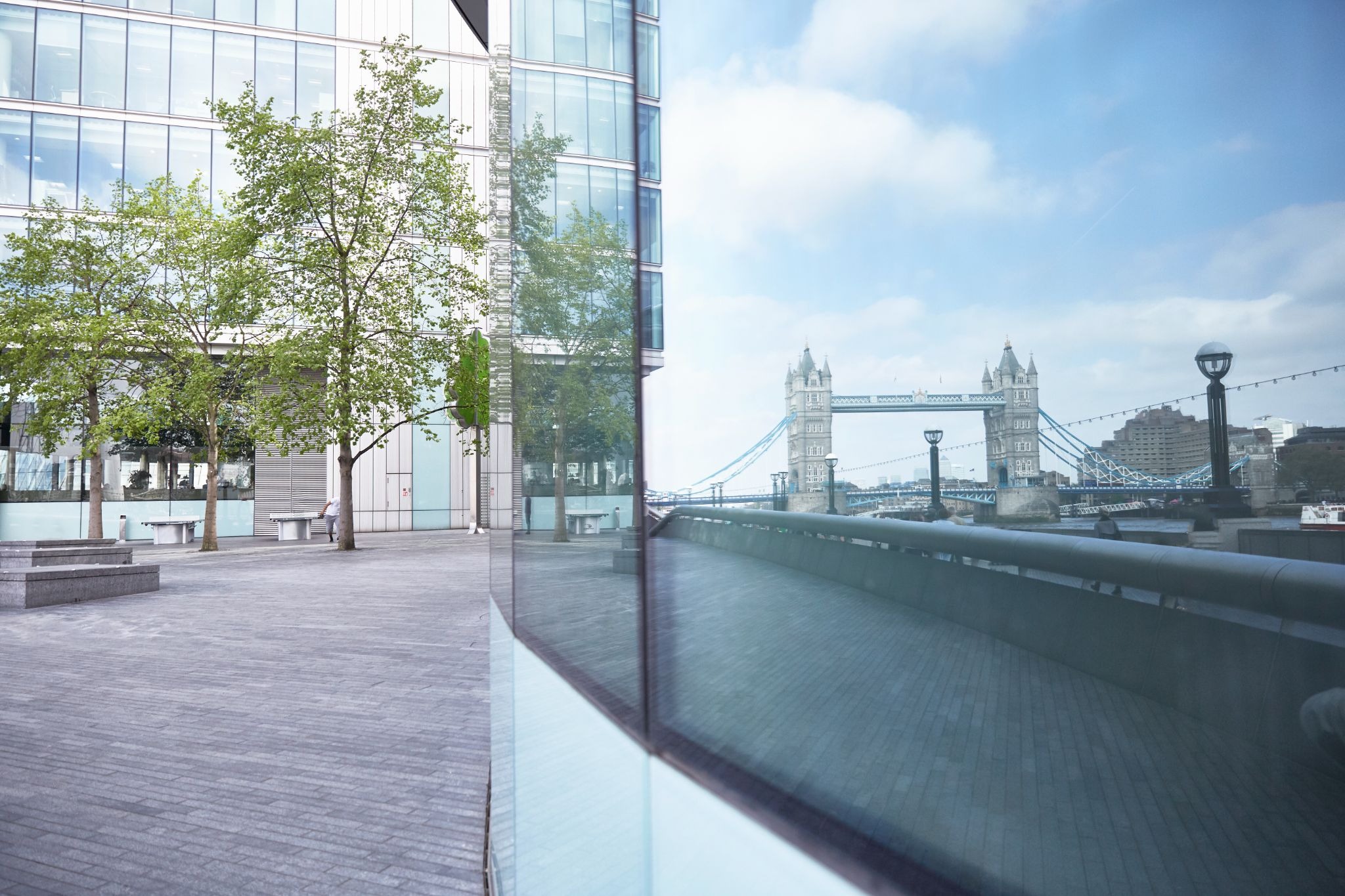
Secondary glazing is not the right solution for every building. It is most valuable where full window replacement is restricted, cost-prohibitive, or where specific performance improvements are needed without altering the building fabric.
Listed buildings and buildings in conservation areas are subject to planning controls that typically prevent alterations to the external appearance. Because secondary glazing is installed internally and leaves the original windows intact, it is frequently the only viable glazing improvement option for these buildings. GLRE has extensive experience working on listed and heritage buildings, providing secondary glazing solutions that meet both performance requirements and heritage constraints.
Many government buildings are housed in older or listed structures and face the same constraints as heritage properties. Secondary glazing allows thermal and acoustic improvements to be delivered without planning consent for external alterations, and without the disruption and cost associated with a full window replacement programme.
Noise is a particular concern for hotels and leisure buildings located near roads, railways, or airports. Secondary glazing is an effective acoustic solution that can be installed with minimal disruption to occupied rooms. Where the building is historic or where external alterations are restricted, it is often the preferred route over full window replacement.
Older healthcare buildings and educational facilities often have single-glazed or outdated window systems in listed or locally significant structures. Secondary glazing allows significant improvements in thermal performance and acoustic attenuation to be achieved without triggering planning consent or requiring the building to be vacated.
Where a commercial building has an existing curtain wall or large fixed glazed facade with thermal or acoustic deficiencies, secondary glazing can improve performance without the significant cost and programme disruption of a full curtain wall refurbishment. It is particularly relevant where the curtain wall is structurally sound but thermally underperforming.
Single-glazed and older double-glazed windows are a significant source of heat loss in commercial buildings. Secondary glazing creates a sealed air gap on the inside face of the existing window, which acts as an additional thermal barrier. This reduces the rate of heat transfer through the window, lowering heating demand and improving the building's overall thermal performance.
The performance improvement will vary depending on the existing window specification, the size of the air gap created, and the glass specification used in the secondary unit. A glazing specialist can advise on the combination most appropriate for a specific building and use case.
Secondary glazing is well established as an effective acoustic treatment for commercial buildings. The air gap between the existing window and the secondary panel interrupts sound transmission, and the use of laminated glass in the secondary unit can provide additional acoustic attenuation.
The acoustic performance achieved depends on the size of the air gap, the glass specification, and the quality of the perimeter seals. Secondary glazing is widely used in buildings near major roads, rail lines, and airports where external noise levels are elevated.
Secondary glazing adds a second layer of resistance to forced entry, as any attempt to breach the window must overcome both the existing glazing and the secondary panel. The secondary unit can be specified with laminated or toughened glass to increase resistance further. For commercial buildings with ground-floor or accessible windows in sensitive locations, this can be a meaningful security enhancement.
Surface condensation on windows occurs when warm internal air contacts a cold glass surface. By raising the temperature of the inner glazing surface, secondary glazing reduces the likelihood of condensation forming on the room-facing pane. This can improve internal air quality and reduce maintenance requirements in buildings where condensation is a recurring issue.
The installation process involves fitting a secondary frame within the window reveal, typically fixed to the window surround or the surrounding wall. The frame is slim-profile to minimise visual impact, and the glazed panels are fitted within it. For most commercial buildings, installation does not require planning consent, as the works are internal and do not alter the external appearance of the building.
In occupied buildings, secondary glazing can generally be installed with limited disruption. Works are confined to the interior, and there is no requirement to remove or temporarily board up windows during the process.
In most cases, internal secondary glazing does not require planning permission as it constitutes an internal alteration. However, buildings in conservation areas and listed buildings may be subject to additional requirements, and it is advisable to confirm with the local planning authority before works proceed. GLRE can advise on the consent requirements applicable to a specific project as part of the survey and specification process.
For buildings where full window replacement is feasible, the choice between secondary glazing and replacement will depend on the condition of the existing frames, the planning context, the required performance improvement, and the available budget.
GLRE's refurbish or replace approach means we assess both options on their merits for each project, providing an honest recommendation based on the building's condition, constraints, and objectives.
Commercial secondary glazing in occupied or heritage buildings requires a contractor with experience across a range of building types and an understanding of the planning and heritage constraints that often apply. Key things to look for include:
GLRE has been working on commercial glazing projects since 1996 and holds current accreditations including CHAS and Constructionline. Our in-house engineers carry out surveys and produce specifications that account for the specific constraints of each building, including heritage and planning considerations.
If you are considering commercial secondary glazing for your building, GLRE can carry out an initial survey and provide a detailed specification. Contact our projects team to discuss your requirements.

Refurb House,
11 Minton Enterprise Park,
Oaks Drive,
Newmarket,
CB8 7YY


.webp)